

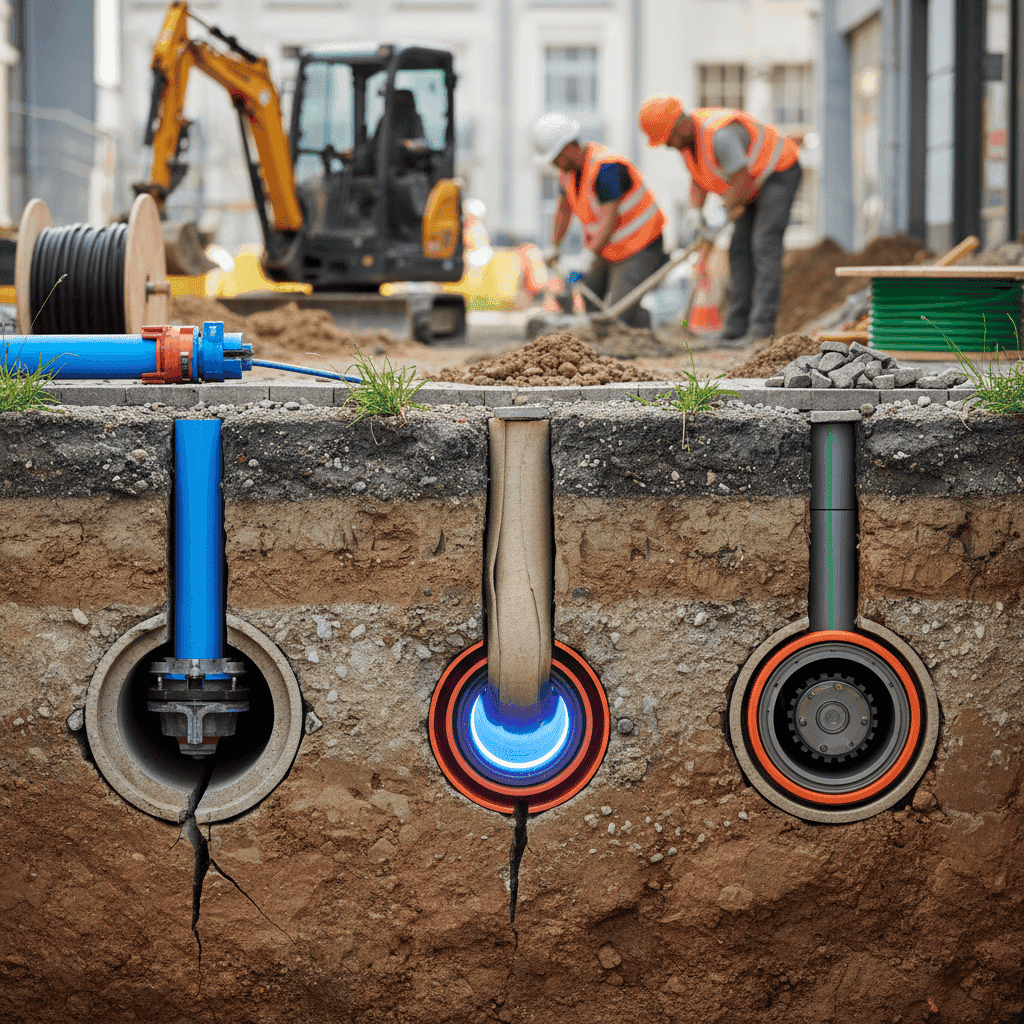
Sewer line trouble hits hard and fast, turning everyday life upside down and ballooning repair costs if ignored. Finding the right fix feels like solving a tricky puzzle, but some replacement methods offer a smart mix of price and lasting strength. Homeowners looking to dodge future headaches can choose the best way, based on their needs and budget. Knowing these options helps avoid the nightmare and keeps the home running smooth without surprise bills creeping up. Dive in to discover how to tackle sewer issues without breaking the bank or losing peace of mind.
This article compares practical options for sewer replacement and gives clear tips to reduce expense while protecting your property. You will find realistic cost ranges, pros and cons of each approach, and advice for choosing materials and contractors so you get the best value for the work required.
Overview of common cost effective sewer replacement methods
When a sewer line fails the main options are full open trench replacement and trenchless techniques. Each method has a place depending on pipe condition, length, soil type, and access. Below are the primary choices with short descriptions.
- Open trench replacement involves excavation along the damaged section to remove and replace pipe. It is straightforward but disruptive to landscaping and surfaces.
- Cured in place pipe lining often called CIPP, creates a new pipe inside the old one by inserting a resin soaked liner then curing it. It avoids major digging.
- Pipe bursting breaks the old pipe outward while pulling a new pipe into place. This works well when the existing line is brittle and the route is accessible.
- Slip lining slides a slightly smaller pipe into the existing pipe. It reduces diameter but can be a low cost fix for certain situations.
- Spot repair and pipe patching address isolated failures with minimal work and can delay full replacement when appropriate.
Trenchless lining explained and why it often saves money
Trenchless lining reduces excavation work which lowers labor and restoration expenses. When a yard, driveway or driveway surface would add large restoration costs trenchless lining can be the least expensive path to a long lasting result.
CIPP process steps and what to expect
First a video inspection locates damage and measures pipe length. Next the liner is saturated with resin and inserted into the host pipe. Once positioned the liner is inflated and cured using heat or ultraviolet light. Finally the ends are sealed and the line is reconnected. The whole process usually takes a day or two for typical residential runs.
Cost ranges and expected lifespan
CIPP lining typically costs less than full replacement when factoring restoration. Typical price ranges are shown here as general guidance. For a 50 to 100 foot residential run the material and labor cost can range from a few thousand dollars to about ten thousand dollars depending on pipe diameter and access challenges. A properly installed lining often lasts 25 to 50 years which makes it a cost effective choice for many properties.
Pipe bursting method and when it makes sense
Pipe bursting replaces the old pipe with a new one of equal or larger diameter by fragmenting the old pipe and pulling the new material through the bore. This method is a strong option when the existing line is severely damaged or collapsed but the route can be accessed from pits at either end.
Benefits include the ability to upgrade diameter without opening the whole trench. It can be faster than full excavation and keeps removal of soil to a minimum. Costs are comparable to trenchless lining although they vary with length and soil hardness. For clay soils or runs with many roots pipe bursting tends to perform well.
Open trench replacement and its cost drivers
Traditional open trench replacement is the most direct approach. It is often necessary when pipe collapse is extensive or when the route includes many junctions and lateral connections. This method becomes more economical when restoration needs are minimal or when the line is shallow.
Major cost drivers include the depth of the pipe, length of the run, pavement removal and reinstatement, tree roots, and the need to rebuild fences or landscaping features. In urban settings with heavy surface coverage full replacement costs can rise quickly because pavement and hardscaping repairs are expensive.
Material choices and how they affect overall cost
The material selected for the new sewer pipe has a direct effect on upfront cost and future maintenance needs. Common materials include PVC, HDPE, cast iron, and vitrified clay. Each has trade offs.
- PVC is widely used for its low cost, chemical resistance, and smooth interior. It is lightweight which reduces labor time and installation cost.
- HDPE is flexible and strong. It works well with trenchless methods and has a long service life which can reduce life cycle expense.
- Cast iron is durable but typically costs more to replace and is heavier which adds labor expense.
- Vitrified clay may be present in older systems and is inexpensive to produce. It is prone to cracking and root intrusion which raises maintenance costs over time.
Choosing a slightly more durable material can raise initial cost but reduce repair needs. Evaluate life expectancy alongside price to judge value.
Key factors that influence total project cost
Several variables change the price of sewer replacement. Understanding these helps you plan and avoid surprises.
- Length and depth of the run determine material and labor quantities.
- Access to the pipe matters. Narrow yards, fences, and obstacles increase labor and time.
- Surface restoration for lawns, driveways, sidewalks, and landscaping can add a sizable portion of the bill.
- Permits and inspections required by local municipalities add cost and time. Verify what is needed before work begins.
- Soil conditions such as rock or high water tables create extra challenges and cost.
- Additional connections and laterals that must be tied into the new line will increase labor.
Practical tips to reduce sewer replacement costs
There are several ways property owners can limit their expense without sacrificing quality.
- Start with a camera inspection to confirm the extent of damage before accepting a full replacement quote. Small fixes may suffice and save money.
- Collect multiple written estimates to compare methods, materials, and warranties. Compare apples to apples by asking for the same line items.
- Schedule work off season if possible. Contractors may have lower demand at certain times which can influence pricing.
- Protect landscaping by identifying features you want preserved. Saving mature trees or keyed landscaping can reduce restoration cost.
- Consider partial repairs when damage is isolated. Temporary fixes can extend service life until replacement is budgeted.
- Ask about warranties for both workmanship and materials. A longer warranty can reduce long term cost even if the initial price is higher.
- Use a local contractor familiar with local permitting and soil conditions to avoid unexpected charges and delays.
When to hire professionals and how to select the right contractor
Sewer replacement requires skill and specialized equipment. Hiring a qualified contractor reduces risk of mistakes that lead to more expense later. Look for licensed plumbers who offer detailed proposals and can show references for similar work.
Request proof of insurance and check for any municipal or industry licenses required in your area. Ask about the equipment they will use and whether they handle permits and inspections. A good contractor will explain the trade offs between methods and give clear cost breakdowns.
If you want a professional assessment local Plumbing Services can inspect the line, review options, and provide estimates tailored to your property. Choosing a company that communicates clearly about timing, restoration, and warranty makes a big difference in both experience and final cost.
Maintenance and preventive steps after replacement
After a replacement take practical steps to protect the new pipe and avoid premature failure. Avoid planting large trees near the conduit. Use root barriers where roots have been a problem. Do not flush grease or nonbiodegradable items and consider periodic camera inspections to catch minor issues early.
Simple habits reduce the risk of clogs and root intrusions which minimizes the chance of another major project in the near term. Maintain records of the work and any warranties. These documents help with future property transfers and for scheduling preventive checks at recommended intervals.
Choosing the most cost effective sewer replacement method depends on the specific condition of the pipe, the layout of the property, and budget priorities. Trenchless options often win on total cost when restoration is expensive. Full replacement is the right call when pipes are collapsed or when many connections require reconfiguration. Material choices and contractor selection play a large role in long term value.
Ready to move forward with a reliable plan that fits your budget and property needs reach out for a line inspection and itemized estimate. A clear plan plus a solid warranty will minimize surprises and deliver a service that lasts. If you have questions about cost ranges or suitable methods for your situation get professional input early. Starting with a detailed video inspection and multiple bids is the best path to a cost effective outcome. Schedule a consultation, compare the proposals you receive, and pick the option that delivers the right balance of price quality and longevity for your home.