

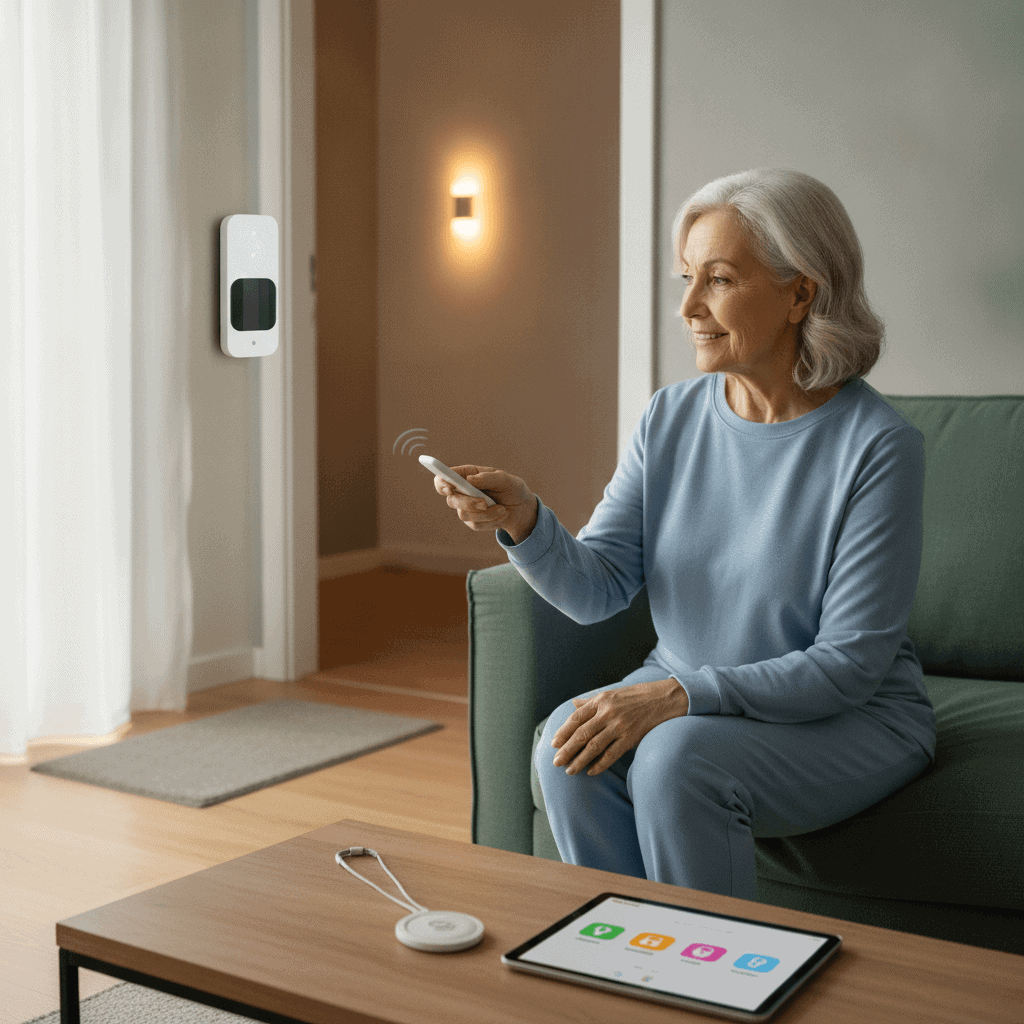
Ensuring our seniors live safely and comfortably in their own homes is a priority for many families and for us. I have seen firsthand how minor adjustments can make a major difference in someone’s quality of life and peace of mind. As people age, their needs evolve and so do the ways we can support them. We believe that a safe home environment should not feel like a fortress but rather a welcoming space where independence thrives.
Often, the idea of senior home safety brings to mind complex installations or intrusive monitoring. But that is not always the case today. I find that the most effective solutions are often the most straightforward and seamless, integrating into daily life without causing disruption. These are the kinds of effortless home safety solutions for seniors that truly empower them.
My goal is to share practical insights and actionable steps to create a secure living space. This helps seniors maintain their autonomy and allows families to worry less. It is about smart planning and choosing the right tools for a calm and secure home.
The Importance of Proactive Home Safety for Seniors
Setting up a safe home for seniors is about foresight. It means thinking ahead to prevent falls, manage health issues, and ensure quick help is available when needed. I understand that many seniors value their independence and want to stay in their familiar surroundings for as long as possible. So, making their homes safer helps them do just that without giving up their freedom.
We see countless benefits from taking a proactive stance. A well-prepared home reduces the likelihood of accidents. It also lessens the stress for both seniors and their caregivers. For example, installing grab bars in the bathroom seems like a small step but it can prevent a serious fall. This kind of planning makes daily routines much safer.
Understanding Common Home Risks
Many everyday items or areas in a home can become hazards for seniors. Loose rugs, poor lighting, and cluttered pathways are often culprits in falls. Stairs can also pose a significant risk. Even in the bathroom, slippery surfaces and lack of support can be dangerous. I always recommend a thorough walk-through of the home to identify these potential problems. Looking at each room with a critical eye helps reveal areas that need attention. We want to remove obstacles before they cause trouble.
Medication management is another key area of home safety. Confusion or forgetting doses can lead to serious health problems. Having a clear system for organizing and dispensing medicines is essential. We encourage families to help set up these systems. This creates an environment where health is supported daily. It also reduces the chance of accidental overdoses or missed medications.
Smart Technology for Enhanced Senior Safety
Technology has revolutionized how we approach home safety for seniors. It offers discreet and effective ways to monitor, alert, and assist without being intrusive. I believe in harnessing these innovations to provide a better quality of life. Many of these tools are designed to be user-friendly and integrate easily into existing home setups.
One of the simplest and most impactful technologies is smart lighting. Motion-activated lights can illuminate pathways at night, preventing stumbles in the dark. Voice-activated systems also allow seniors to control lights and other devices without needing to get up or fumble with switches. This small change makes a big difference for nighttime safety.
Leveraging Smart Home Devices
Beyond lighting, smart home devices offer layers of security. Smart door locks can be operated remotely by family members or caregivers, providing secure access without needing physical keys. Video doorbells offer peace of mind by allowing seniors to see who is at the door before opening it. These devices give both seniors and their loved ones a sense of control and protection. We often find that families appreciate the ability to assist from afar when necessary.
I have seen families use smart thermostats to ensure comfortable and safe indoor temperatures. This prevents issues like overheating or being too cold, which can be health risks for older adults. Setting schedules or allowing remote adjustments ensures the home environment is always just right. These systems learn over time to adjust automatically, adding to the effortless aspect of home safety.
Smoke and carbon monoxide detectors are another area where smart technology excels. These devices can send alerts directly to smartphones if a problem is detected. This means help can be summoned quickly even if the senior is unable to respond. It provides an extra layer of protection that traditional alarms cannot match. I encourage everyone to consider upgrading these essential safety tools.
Simple Home Modifications for Easier Living
Sometimes the most effective home safety solutions involve simple, low-tech modifications. These changes can dramatically improve accessibility and reduce fall risks. I often tell people that you do not need to overhaul an entire house to make it safer for seniors. Small, thoughtful adjustments can go a long way.
One primary concern is preventing falls. This means removing tripping hazards like loose rugs or excessive clutter from walkways. Securing carpets with non-slip pads or opting for wall-to-wall carpeting are good steps. Rearranging furniture to create wider paths also helps with mobility. We want to make sure every step is a confident one.
Bathroom and Kitchen Adjustments
The bathroom is a high-risk area because of slippery surfaces. Installing grab bars near the toilet and in the shower is a must. A non-slip bath mat also adds a layer of safety. Some seniors benefit from a shower chair or a raised toilet seat, making these routines much easier and safer. These are practical items that truly make a difference.
In the kitchen, simple changes can enhance safety and ease of use. Arranging frequently used items at an accessible height eliminates the need for reaching or bending. Good lighting under cabinets helps when preparing meals. Using non-slip mats in front of the sink or stove reduces the risk of slipping on spills. We always advise checking appliance knobs to make sure they are easy to grip and turn.
Personal Emergency Response Systems (PERS) and Wearables
Personal Emergency Response Systems, or PERS, offer a vital lifeline for seniors living independently. These systems provide immediate access to help with the press of a button. They give both seniors and their families immense peace of mind. I consider PERS devices to be one of the most important tools in effortless home safety solutions for seniors.
Many PERS devices are simple pendants or wristbands that seniors can wear daily. If a fall occurs or they need assistance, they simply press the button. This connects them to a monitoring center that can dispatch emergency services or contact family members. This immediate response is crucial in critical situations. We know that seconds can count when someone is in distress.
Choosing the Right Wearable Device
When looking for home safety tech for seniors, I encourage careful consideration of the features. Some advanced PERS devices include automatic fall detection, which is a game-changer. These sensors can detect a fall even if the senior cannot press the button. GPS tracking in mobile devices also allows for assistance to be located when the senior is away from home. These features add significant layers of security.
The best device is one that the senior feels comfortable wearing all the time. It should be lightweight, waterproof, and have a long battery life. We also suggest testing the device regularly to ensure it is always working correctly. Familiarity with the system helps reduce anxiety in a real emergency. This ensures everyone knows what to expect when help is needed.
Financial Planning for Senior Home Safety Upgrades
Investing in home safety for seniors is an investment in their long-term well-being and independence. While some solutions are low-cost, others may require more significant financial planning. I believe it is important to explore all available options to make these essential upgrades affordable. This way, no one has to compromise on safety because of budget concerns.
Many families overlook potential resources that can help cover these costs. Certain government programs offer grants or subsidies for home modifications that improve accessibility and safety for seniors. State and local agencies often have specific initiatives. We advise researching these options thoroughly. They can provide much-needed support for larger projects like ramp installations or bathroom remodels.
Exploring Insurance and Assistance Programs
Long-term care insurance policies sometimes include benefits for home modifications or assistive devices. I always recommend checking policy details carefully to understand what is covered. It is important to know your options so you can make informed choices. Some health insurance plans might also cover specific medical alert devices or accessibility aids prescribed by a doctor.
Non-profit organizations and community groups are another valuable resource. Many offer financial assistance or volunteer services for home repairs and safety upgrades for seniors. We encourage reaching out to local senior centers or advocacy groups. They can connect families with programs designed to help. There are many avenues for support if you know where to look. This makes effortless safety solutions accessible to more people.
Building a Support Network for Ongoing Safety
Technology and home modifications are powerful tools, but they work best when supported by a strong human network. For seniors, having a reliable group of family, friends, and neighbors can be just as crucial for their safety and well-being. I have seen countless times how a connected community makes all the difference. This network acts as extra eyes and ears, providing companionship and practical help.
Regular check-ins are simple but effective. A quick phone call, a visit, or a text message can ensure a senior is doing well. It also provides an opportunity to notice any changes in their health or home environment. We encourage establishing a rotation among family members or friends for these regular contacts. This ensures no one person carries the entire burden and provides consistent support.
Leveraging Community Resources
Beyond personal connections, local community resources offer valuable support. Senior centers often provide social activities, transportation services, and meal programs. These services not only enrich a senior’s life but also ensure they have safe access to necessities and social interaction. I believe staying engaged with the community is a significant part of overall safety.
Care coordination services can also help manage a senior’s care plan. This includes scheduling appointments, arranging transportation, and overseeing in-home support. For families living far away, these services are invaluable. They ensure that all aspects of a senior’s safety and well-being are addressed systematically. We help clients understand these different options to find what works best.
Making Your Home a Haven for Years to Come
Creating an effortlessly safe home for seniors is not a one-time project. It is an ongoing commitment to their well-being and independence. I have guided many families through this process and I know the peace of mind it brings. By focusing on proactive measures, smart technology, and thoughtful modifications, we empower seniors to live comfortably and securely in their cherished homes for many years. It is about blending practical solutions with genuine care and understanding their evolving needs. We embrace innovations that simplify daily life and provide layers of protection without compromising their autonomy. Remember to regularly assess the home environment, stay informed about new safety products, and maintain open communication with your loved ones. This ensures their home remains a true haven where they can thrive independently. Taking these steps today means a safer, happier tomorrow for everyone involved.