

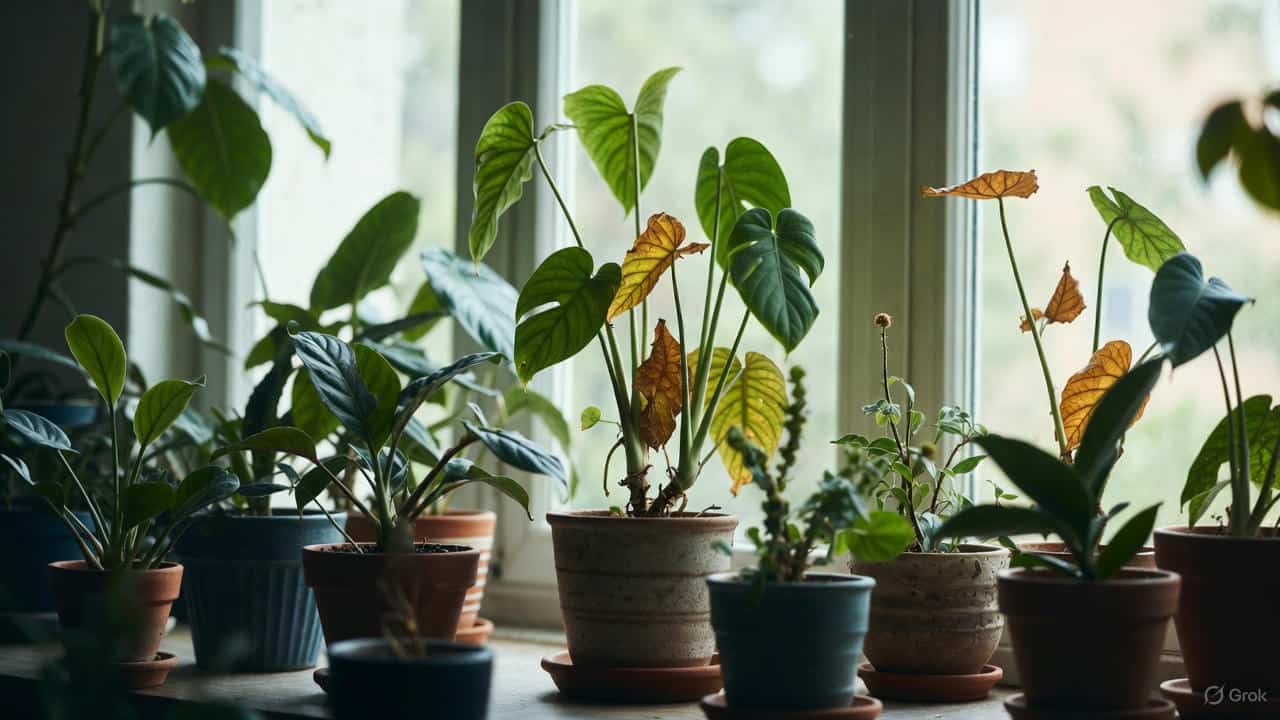
Indoor plants brighten up any space and help freshen the air. They come with small chores that sometimes turn tricky when pests sneak in. Stopping bugs on indoor plants begins with easy habits and paying close attention. Here are practical tips to keep leaves green and soil clean from pests. People who love having plants inside will find this handy and easy to follow. Keep reading to discover how to protect your plants and enjoy a pest-free green oasis.
Whether you have a single fiddle leaf fig or a shelf full of succulents the right practices cut pest problems before they become severe. Read on for clear tips on identification prevention and natural treatments that work for busy plant owners.
Understanding Common Pests In Indoor Plants
Knowing what to look for reduces guesswork. The pests most likely to target houseplants include spider mites mealybugs scale aphids fungus gnats and thrips. Each pest leaves different clues on leaves stems or soil.
- Spider mites cause fine webbing and speckled leaves under close inspection.
- Mealybugs look like cottony white deposits near leaf nodes and root crowns.
- Scale appears as small hard bumps that refuse to wipe off easily.
- Aphids gather on tender new growth and excrete a sticky substance known as honeydew.
- Fungus gnats are tiny flies that hover above soil and indicate overwatering or organic matter near the surface.
Spotting the pest early narrows treatment options and reduces harm to the plant. Keep a small magnifier handy for close inspection of new growth.
Daily and Weekly Habits That Prevent Pests In Indoor Plants
Routine care is the foundation. A few minutes per week prevents larger issues later.
- Inspect new purchases for pests before bringing them into the home.
- Remove yellow or dead leaves promptly so pests and disease have fewer hiding spots.
- Rotate plants occasionally so all sides receive light and airflow.
- Wipe broad leaves with a damp cloth to remove dust and potential eggs.
- Water in the morning so surfaces dry during the day and shy pests do not enjoy damp nights.
These small habits reduce favorable conditions for pests and help you catch infestations at the first sign.
Soil Health and Watering Practices To Keep Pests Away
Soil conditions strongly influence pest populations especially fungus gnats and root chewing larvae. Proper potting mixes and watering methods cut risk.
- Use well draining mixes suited to the plant type. Repot when soil becomes compacted.
- Allow top inch of soil to dry between waterings for most tropicals and let succulents dry more deeply.
- Add a top dressing of coarse sand or horticultural grit to deter adults from laying eggs near the surface.
- Avoid standing water in trays and saucers for long periods.
Healthy roots resist pests better. If you see persistent gnats try reducing surface moisture and consider replacing the top two inches of mix.
Monitoring and Early Detection For Preventing Pests In Indoor Plants
Set a simple monitoring routine to catch issues before they spread. Early detection multiplies your treatment options.
- Check undersides of leaves leaf axils and the soil surface weekly.
- Keep a log of plant changes pests found and actions taken. Over time you will spot patterns linked to light humidity or timing of watering.
- Place sticky yellow traps near susceptible pots to monitor flying pests like fungus gnats and whiteflies.
Signs to watch for
Look for mottling leaf drop sticky residues webbing or stunted growth. Tiny moving dots or tiny eggs along stems require quick action. Learning a few visual signs will save hours later.
How to inspect without stressing the plant
Use soft lighting and gentle handling. A kitchen timer set for a couple of minutes per plant keeps the routine short and predictable for both you and your plants.
Natural Treatments That Work For Indoor Plant Pests
Start with the least invasive options and progress only if needed. Many houseplant pests respond well to gentle treatments when applied correctly.
- Soap solution of mild liquid soap and water applied with a spray bottle kills soft bodied pests on contact. Rinse leaves after a few hours to prevent soap buildup.
- Horticultural oils smother eggs and insects. Apply in cool low light conditions to avoid leaf burn.
- Neem oil acts as a deterrent and disrupts life cycles when used on a schedule. Test on a small leaf first.
- Beneficial nematodes and Bacillus thuringiensis can control soil dwelling larvae and fungus gnat larvae in potting mix.
For detailed instructions on mixing concentrations and timing consult reliable resources. One useful guide is pest control advice from YourHomify which covers methods and safety notes for common houseplant problems.
When to repeat treatments
Repeat intervals depend on the product used and the pest life cycle. For many soft bodied pests a weekly spray for three weeks breaks their reproductive cycle. Record dates so you do not miss follow ups.
Quarantine and Sanitation To Prevent Spread
Separation is a simple effective step when a new pest appears. Quarantine new plants and isolate infested pots right away.
- Keep new purchases in a separate area for two weeks while you inspect and treat them if needed.
- Disinfect tools between plants using isopropyl alcohol or a mild bleach rinse followed by a water rinse.
- Clean saucers trays and shelves regularly to remove residues and eggs.
Sanitation reduces the chance that pests move from one plant to another through shared surfaces or contaminated tools.
Plant Selection And Environmental Choices That Lower Pest Risk
Some plants tolerate indoor conditions and pests better than others. Choose varieties that match your light humidity and care routine.
- Select drought tolerant options for beginners since they are less likely to suffer from overwatering linked pests.
- Match humidity needs to room conditions. For example tropical plants prefer higher humidity but this can favor certain pests unless airflow is present.
- Use pots with drainage holes and avoid overly large containers that keep soil soggy.
Good light airflow and the right sized pot reduce stress which in turn makes plants less attractive to pests.
When To Consider Professional Help Or Specialized Products
Small infestations respond to home treatments. Severe recurring problems may need products or expertise not available to the average grower. Signs that point to professional help include rapid spread across many plants visible damage that threatens plant survival and pest presence inside hard to reach parts like dense crowns.
- Consult a plant nursery or local extension service if you are unsure of identification or the best control method.
- When using stronger insecticides follow label directions closely. Safety for pets people and plant health comes first.
Professional help is not a failure. It is an option when time or resources are limited and when the goal is to save a treasured plant.
Preventing Pests In Indoor Plants is a mix of prevention monitoring and timely natural treatments. The steps above give a reliable path from early detection to long term management. Start with simple weekly checks maintain clean soil and pots pick plants suited to your environment and use gentle remedies before reaching for harsh chemicals.
Act now and set up a short weekly routine that includes a visual check and a quick leaf wipe. If you prefer a step by step reference for organic sprays and safe concentrations consult trusted sources such as the guide linked earlier. Healthy plants need consistent care and quick small actions that add up to fewer pests and happier greenery in your home. Try one new habit this week and observe how your plants respond. If you find a persistent pest note the plant species the symptoms and the treatment you used and seek a local expert if the problem continues. Your plants will thank you with stronger growth and better appearance which makes your space more pleasant to live in.