

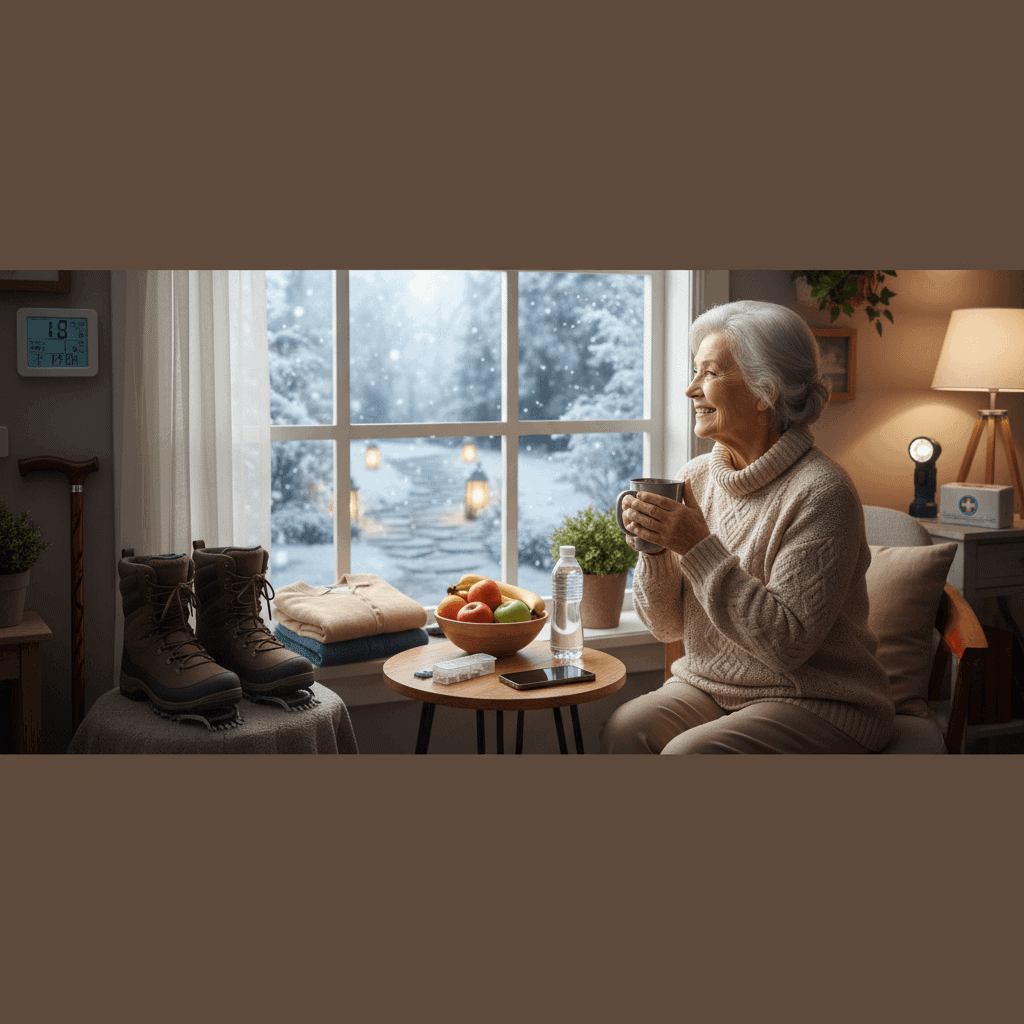
Winter brings a tough time for older adults trying to stay safe and on their own. Cold weather, slick sidewalks, and flipped routines can cause more falls, sickness, and loneliness. Taking some smart actions and planning ahead helps seniors and their helpers keep dangers low and stay cozy all winter long. This knowledge is perfect for anyone looking to protect older family members or friends during the chilly months. Keep reading to uncover simple tricks that make a big difference.
This article outlines clear, actionable winter safety tips focused on elderly self care. Each section offers concrete examples, checklists, and sensible routines that can be adopted right away. If you want a compact guide that walks through priority actions and additional resources you can learn more here.
Winter Hazards that Affect Senior Self Care
Understanding the main winter hazards makes it easier to reduce risk. Cold exposure raises the chance of hypothermia and exacerbates chronic conditions such as arthritis and heart disease. Ice and snow increase fall risk which can lead to fractures and long recovery times. Reduced daylight and weather related travel issues often cut off social contacts and appointments.
- Cold stress can cause reduced circulation and slower reaction times.
- Slippery surfaces are one of the leading causes of winter injuries for older adults.
- Medication schedules and supply shortages may be disrupted by weather.
Dressing and Layering Choices for Cold Weather
Clothing choices are a simple but powerful way to stay warm and mobile. Layering traps heat and allows for quick adjustments when moving between indoor and outdoor environments. Focus on materials that keep warmth even when there is light moisture and on footwear that grips icy surfaces.
- Use a base layer that wicks moisture from the skin. Avoid cotton next to the body during long cold exposure.
- Add an insulating middle layer such as fleece or wool and a wind resistant outer shell where possible.
- Choose footwear with textured soles and low heels. Consider traction cleats that slip over shoes for very icy walks.
- Hat and gloves matter a great deal. The body loses a surprising amount of heat from the head and hands when uncovered.
Practical tip Example A. If a senior goes out briefly to get mail, put on a light insulated jacket, hat, and gloves rather than a heavy coat that might limit movement inside small entrances. Example B. Keep a spare pair of dry socks by the door for quick changes after being outside.
Home Safety Measures to Prevent Falls and Low Temperature Exposure
Modifying the living area reduces multiple risks at once. Focus on pathways, heating sources, rugs, and easily reachable essentials. Small changes yield large benefits for daily function during winter months.
- Clear walkways leading to the home and entry steps of snow and ice. If it is not feasible for the person to do this, arrange for regular removal service or a neighbor check.
- Keep a consistent and comfortable indoor temperature. Room thermostats set slightly higher during the day help reduce exposure during long periods of inactivity.
- Remove throw rugs or secure them with non slip backing to prevent trips.
- Place commonly used items within reach to avoid unnecessary bending or climbing.
Clearing Walkways and Entry Safety
Salt or sand on paths reduces slip risk more than shoveling alone in many situations. Provide a stable handrail at steps and use bright lighting at entrances. A waterproof mat inside the door helps capture melting snow and reduces wet floors.
Safe Heating Practices
Space heaters used incorrectly can cause fires. Maintain clear space around heating sources and follow manufacturer instructions. If wood stoves or fireplaces are in use, schedule a yearly chimney inspection and clean any buildup to lower fire risk.
Nutrition and Hydration for Health in Winter
Nutritional needs shift slightly during colder months. Appetite may change, and the body needs fluids even when thirst is less noticeable. Focus on meals that are both warming and nutrient rich, and encourage steady fluid intake throughout the day.
- Offer soups and stews with protein and vegetables for combined warmth and nutrition.
- Include vitamin D rich foods or discuss supplements with a clinician when sun exposure is limited.
- Set reminders to drink water. Warm herbal teas or broths can make hydration more appealing.
- Stock up on easy to prepare, shelf stable items so food shortages do not become a problem during storms.
Practical insight A caregiver example. Keep a weekly meal plan and a short grocery checklist for emergency restocking. This prevents last minute runs in dangerous weather and maintains regular calorie intake for energy and warmth.
Medication and Health Monitoring Tips
Winter weather can interfere with pharmacy access and change how medications affect the body. Cold temperatures can worsen circulatory conditions while increases in respiratory viruses put extra strain on vulnerable immune systems. Keeping medications organized and monitoring symptoms are important steps to sustain health.
- Maintain at least a two week supply of critical medications when possible.
- Use pill organizers or set phone reminders for doses to reduce missed or doubled doses.
- Watch for symptoms that could indicate complications such as shortness of breath, chest pain, or changes in cognitive function and report these promptly to a clinician.
Staying Connected and Emergency Planning
Isolation is a common winter risk. A basic emergency plan and reliable ways to reach others lessen danger in case of falls, sudden illness, or power outages. Build multiple contact options and test them before severe weather arrives.
- Have a list of emergency contacts positioned where it is easy to find.
- Consider a simple mobile phone with large buttons or a medical alert pendant linked to a monitoring service.
- Schedule regular check ins with neighbors, friends, or family during long cold snaps.
Creating a Winter Emergency Kit
Assemble a kit with flashlight, fresh batteries, bottled water, non perishable snacks, a blanket, a small first aid kit, a list of medications, and contact numbers. Keep it near an entryway and at least one kit in a car when travel is necessary.
Transportation and Appointment Planning
Plan medical appointments with weather in mind and have backup telehealth options where possible. For essential trips, use transport services that have winter driving experience and confirm schedules before travel.
When to Seek Professional Help and Available Community Resources
It is important to recognize when professional care or community services would provide extra safety. Home health nurses, meal delivery programs, and local senior centers offer targeted support that is often underused during winter months.
- Home health visits can include basic checks on mobility, medication management, and temperature control in the home.
- Meal delivery programs reduce the burden of shopping and cooking, while volunteer drivers can help with essential trips.
- Local weather emergency plans and warming centers in many towns are resources worth knowing before a storm hits.
Tip Example. If an older adult has repeated falls or trouble maintaining warm temperatures, ask a primary care clinician about a home safety assessment. That single visit can prioritize modifications and link to local services.
Conclusion This winter safety checklist gives seniors and caregivers straightforward steps to lower risk and preserve daily independence. Prioritize clothing and footgear choices, adapt the home to reduce slips and cold exposure, maintain nutrition and medication routines, and set up reliable emergency communication and kits. Regular check ins from family or neighbors and use of community supports provide added protection during long storms or power outages.
Start with one or two actions today such as clearing one pathway, stocking a two week medication supply, or assembling an emergency kit. Small changes compound into safer routines that keep older adults active and comfortable through winter months. If you want a concise checklist to share with friends or caregivers follow the link above for additional reading and resources and consider making a written winter plan with scheduled reminders. Taking these steps now reduces stress and helps maintain independence and well being on cold days ahead.