

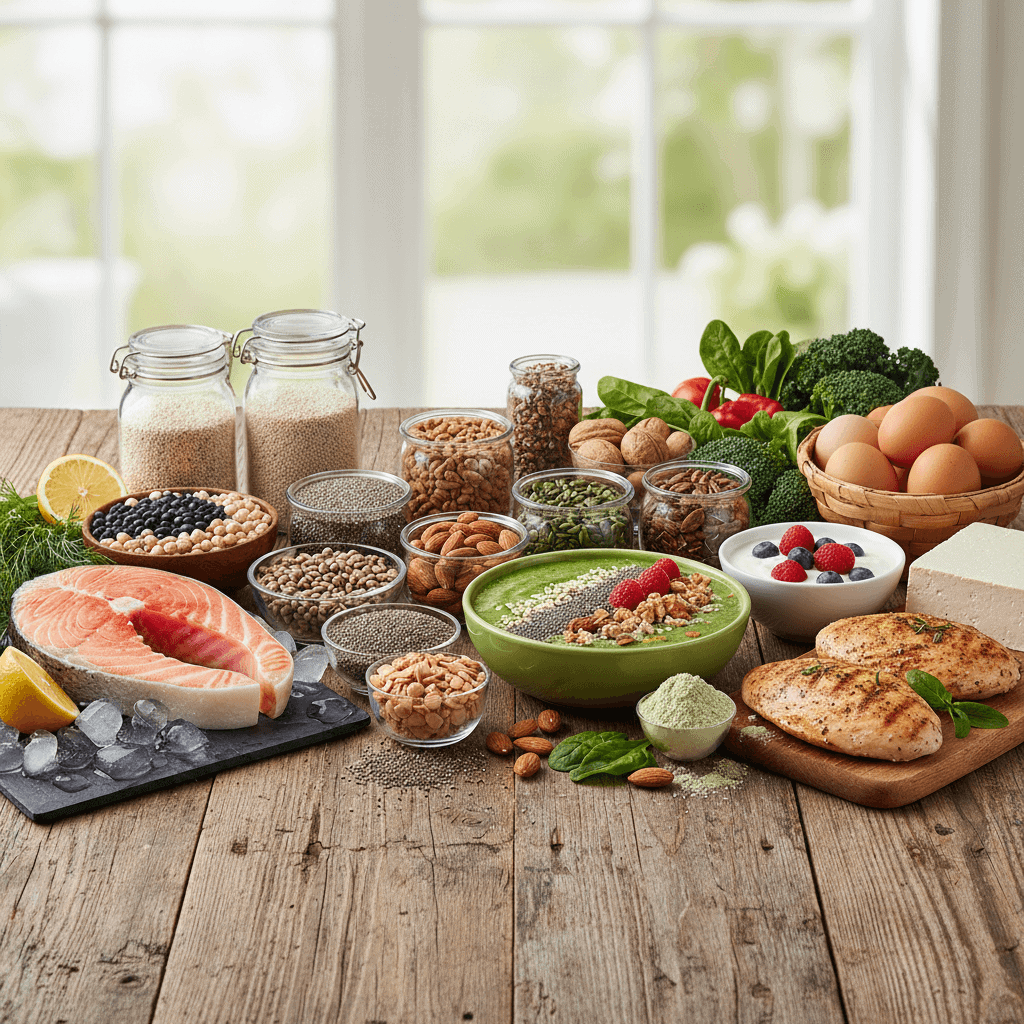
In our constant pursuit of better health and a stronger body, I have come to realize how critical our dietary choices are. We all aim for a future where we feel energetic and resilient. A key part of that pursuit involves understanding what we eat especially when it comes to protein. Many people talk about “clean eating” and “clean proteins” but it is not always clear what these terms really mean for our daily meals.
I believe that proper nutrition is a foundational aspect of “insuring the future” of our physical well-being. It is about making informed decisions today that pay dividends in vitality tomorrow. Choosing wisely impacts our energy levels and long-term health. So I want to explore the various options for sourcing clean proteins.
This article will guide you through understanding what makes a protein source “clean” and where to find the best options. I will share practical insights covering both plant-based and animal-based choices along with smart shopping strategies. My goal is to equip you with the knowledge to make healthier choices for a more secure and vibrant life.
Understanding Clean Proteins
When I talk about clean proteins I am focusing on sources that are minimally processed. They should be free from unnecessary additives artificial flavors hormones and excessive antibiotics. This means looking beyond just the protein content on a label.
It involves considering the journey of the food from its origin to our plates. A clean protein source often comes from animals raised responsibly or plants grown with sustainable practices. This approach supports not only our health but also environmental well-being. I find this comprehensive view helps in making truly beneficial choices.
The term “clean” is not always strictly defined in the food industry. But for me it means prioritizing whole foods that retain their natural integrity. It means selecting options that provide essential amino acids without unwanted extras. This is a simple but powerful principle to follow for better health.
Why Purity Matters in Your Diet
The purity of our protein sources directly affects our health in many ways. Proteins are the building blocks of our muscles tissues and enzymes. So the quality of these blocks really matters. When we consume proteins laden with chemicals or hormones our bodies have to work harder to process them.
This added burden can lead to inflammation digestive issues and over time contribute to chronic health problems. I have seen how choosing pure ingredients can make a noticeable difference in how one feels day to day. It is about supporting our body’s natural functions efficiently.
Furthermore pure protein sources generally offer a richer profile of beneficial nutrients. They often come with vitamins minerals and antioxidants that processed foods strip away. So focusing on purity is not just about avoiding bad stuff it is also about maximizing the good stuff. It helps our bodies thrive and perform at their best.
Plant-Based Options For Sourcing Clean Proteins
For those looking to increase their plant intake or follow a vegetarian or vegan lifestyle there are abundant options for sourcing clean proteins. I have found that a varied plant-based diet can easily meet protein needs. It also offers numerous other health benefits like increased fiber intake and a lower risk of certain diseases.
Plant proteins often come with less saturated fat and no cholesterol. These are important factors for heart health. I often encourage people to explore the vast array of plant foods available. There is so much more than just tofu and beans. We can discover new flavors and textures while boosting our nutrient intake.
The key to a successful plant-based protein strategy is variety. Mixing different plant sources ensures you get all the essential amino acids. Many plant foods are “complete proteins” but combining different sources throughout the day guarantees a full spectrum of amino acids. I like how simple this really is.
Leveraging Legumes and Grains
Legumes are a powerhouse of plant-based protein and fiber. Foods like lentils chickpeas black beans and kidney beans are incredibly versatile and affordable. I regularly incorporate them into soups stews and salads. They provide a satisfying fullness and steady energy because of their complex carbohydrates.
Grains also contribute significantly to our protein intake. Quinoa for example is a complete protein meaning it contains all nine essential amino acids. Brown rice oats and barley are other great sources that add texture and nutrients to meals. I enjoy using these grains as bases for bowls or as hearty side dishes.
Combining legumes and grains often creates a complete protein profile. Think of rice and beans a classic combination found in many cultures. It is a testament to the effectiveness and accessibility of these foods. So I always recommend keeping a well-stocked pantry with a variety of these staples.
Exploring Unique Plant Sources
Beyond the common legumes and grains there are many unique plant sources that offer excellent protein. Hemp seeds pumpkin seeds and chia seeds are small but mighty. They are packed with protein healthy fats and fiber. I sprinkle them over oatmeal yogurt or add them to smoothies for an extra boost.
Spirulina a blue-green algae is another impressive source. It is incredibly nutrient-dense and offers a high protein content per serving. I usually add it to my morning smoothie. Edamame tempeh and seitan are also fantastic options. Tempeh made from fermented soybeans offers a firm texture and takes on flavors well. Seitan made from wheat gluten provides a meaty texture perfect for plant-based dishes.
These less common plant proteins broaden our dietary horizons and ensure a wide range of nutrients. I find it exciting to experiment with them in different recipes. They make healthy eating enjoyable and never boring. These options show how diverse plant-based eating can truly be.
Animal-Based Options For Sourcing Clean Proteins
For those who include animal products in their diet choosing clean protein sources from this category is just as important. It is about selecting high-quality meat poultry fish and dairy that are produced with integrity. I always emphasize looking for specific labels and understanding farming practices.
The health benefits of animal proteins are well-established. They are often complete proteins and provide essential nutrients like B vitamins iron and zinc. However the way these animals are raised heavily influences the nutritional quality of their meat or products. This is why our choices matter a lot.
I find that focusing on sources that prioritize animal welfare and natural diets leads to better outcomes for our health and for the animals. It is a mindful approach to eating that supports a more sustainable food system. We can enjoy animal proteins as part of a balanced diet when we choose them wisely.
Choosing Sustainable Meat and Poultry
When selecting meat and poultry I prioritize options that are grass-fed pasture-raised or organic. Grass-fed beef for example has a better omega-3 to omega-6 fatty acid ratio which is important for reducing inflammation. Pasture-raised chicken and eggs also offer superior nutrient profiles compared to their conventional counterparts.
These practices often mean the animals have more space to roam and are not given growth hormones or routine antibiotics. I look for certifications that guarantee these standards. This gives me confidence in the quality and ethical sourcing of the product. It is an investment in both my health and responsible agriculture.
Choosing wild-caught fish is another excellent option for sourcing clean proteins. Fish like salmon mackerel and sardines are rich in omega-3 fatty acids which support brain and heart health. I avoid farmed fish when possible because their diets and living conditions can be less optimal. So checking the source of your seafood is very important.
High-Quality Dairy and Eggs
Dairy products can be a good source of protein and calcium but the quality varies greatly. I opt for organic dairy whenever possible. Organic milk and yogurt come from cows not treated with artificial hormones or antibiotics. Fermented dairy products like kefir and Greek yogurt also provide probiotics beneficial for gut health.
Eggs are another incredibly versatile and clean protein source. They are affordable and contain all nine essential amino acids. I always choose pasture-raised or free-range eggs. These eggs often have brighter yolks and a richer flavor. This is because the hens have access to varied diets and outdoor environments.
I believe that knowing the source of our dairy and eggs empowers us to make better decisions. It ensures we are consuming products that are not only nutritious but also produced thoughtfully. This attention to detail elevates the quality of our diet and overall health. We can feel good about what we are eating.
The Role of Supplements in Sourcing Clean Proteins
While I always advocate for whole food sources supplements can play a supportive role in reaching protein goals. They are especially useful for busy individuals or those with specific dietary needs. I view supplements as an enhancement to a healthy diet not a replacement for it.
When choosing protein supplements I apply the same “clean” principles. I look for products with minimal ingredients and transparent sourcing. It is important to read labels carefully and understand what you are putting into your body. Not all supplements are created equal so quality research pays off.
Supplements can be a convenient way to boost protein intake after a workout or as a quick meal replacement. They can also help bridge nutritional gaps if someone struggles to consume enough protein from whole foods alone. I find they can be a useful tool when used thoughtfully.
Navigating Protein Powders
Protein powders come in various forms each with its own benefits. Whey protein is popular for its high biological value and quick absorption. I recommend looking for grass-fed whey which typically indicates higher quality. Casein protein is slower digesting and can be good for sustained release of amino acids.
For plant-based options pea protein and brown rice protein are excellent choices. They are often hypoallergenic and provide a good amino acid profile. I sometimes blend them for a more complete protein. Hemp protein is another favorite because it includes fiber and healthy fats.
When selecting protein powders I check for third-party testing certifications. These ensure the product is free from contaminants and accurately labeled. I also prefer unsweetened or naturally sweetened versions to avoid artificial additives. So a little label detective work goes a long way here.
Considering Collagen and Peptides
Collagen and peptides are gaining popularity as protein supplements. Collagen is the most abundant protein in our bodies and is vital for skin hair nails and joint health. While not a complete protein like whey or pea protein it offers unique benefits. I use it to support my connective tissues.
Marine collagen is a particularly interesting option. It comes from fish and is often praised for its bioavailability. If you are exploring different types of collagen I suggest researching various brands. For example you can find valuable insights on selecting high-quality options by checking out 7 of the Best Marine Collagen Brands in the UK.
Collagen peptides are a hydrolyzed form of collagen meaning they are broken down into smaller, easier-to-absorb molecules. I often add them to my coffee or smoothies because they are tasteless and dissolve easily. This makes them a simple addition to a daily routine for those looking to support skin elasticity and joint function.
Practical Tips For Sourcing Clean Proteins on a Budget
Eating clean does not have to break the bank. I have learned that smart planning and purchasing can make clean proteins accessible to everyone. It is about being strategic with your grocery list and making the most of sales. We can prioritize our health without overspending.
Many of the cleanest protein sources like legumes and whole grains are naturally inexpensive. They offer incredible nutritional value for their cost. So a shift in focus can lead to both health and financial savings. It feels good to nourish my body well while also managing my budget.
I find that understanding seasonality and leveraging bulk purchases helps a lot. These habits turn grocery shopping into an empowering act of self-care and financial wisdom. Everyone can adopt these simple yet effective strategies for better eating.
Smart Shopping Strategies
Making a list before heading to the store is my first rule. This prevents impulse buys and keeps me focused on healthy affordable options. I always check weekly flyers for sales on meat poultry fish or plant-based alternatives. Buying in bulk when items are on sale saves money in the long run.
For animal proteins I look for cuts that are less expensive but still high quality like chicken thighs or ground turkey. For plant proteins dried beans and lentils are significantly cheaper than canned versions. They require a bit more preparation but the cost savings are substantial.
I also visit local farmers markets when possible. Sometimes I find better deals on fresh seasonal produce and ethically raised meats. Direct purchases from local producers often mean fresher food and support for the community. This approach is a win-win for everyone involved.
Batch Cooking for Better Nutrition
Batch cooking is a game changer for consistent clean eating. I dedicate a few hours once or twice a week to prepare large quantities of protein components. This can include cooking a big batch of quinoa baking several chicken breasts or preparing a large pot of lentil soup.
Having these pre-cooked proteins ready makes assembling healthy meals quick and easy during busy weekdays. It removes the temptation to opt for less healthy takeout options. I portion out the cooked food into containers for grab-and-go meals or freeze portions for later in the week.
This strategy not only saves time but also ensures that I consistently have clean protein sources available. It takes the guesswork out of mealtime and keeps me on track with my dietary goals. So I highly recommend this method for anyone seeking efficiency and consistent nutrition.
Conclusion on Options For Sourcing Clean Proteins
Exploring the many options for sourcing clean proteins is a vital step toward a healthier and more secure future. I have learned that whether you prefer plant-based or animal-based foods the emphasis should always be on purity and responsible sourcing. This means choosing minimally processed items free from unnecessary additives and supporting sustainable practices.
From nutrient-rich legumes and grains to grass-fed meats and pasture-raised eggs our plates can be filled with high-quality protein that fuels our bodies effectively. Supplements like protein powders and collagen can complement a solid diet when selected with care and transparency in mind. I believe that being informed about our food sources empowers us to make better decisions every day.
By implementing smart shopping strategies and embracing batch cooking we can enjoy clean proteins without straining our budgets or time. Remember that your health is an investment in your future. So take these insights and apply them to your daily routine. Start making those small but impactful changes today for a more vibrant healthy and insured tomorrow.