

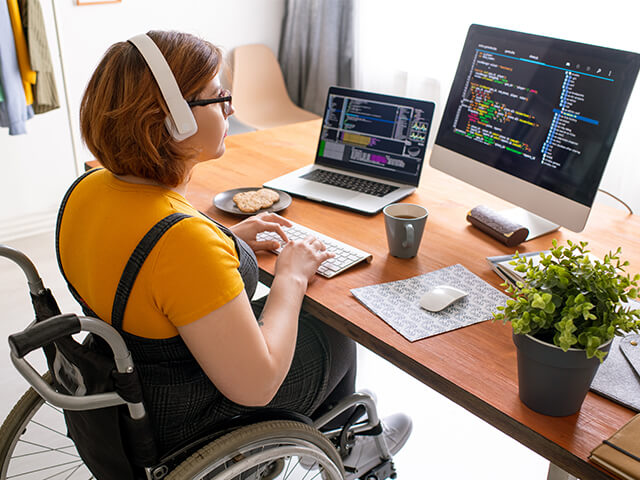
The world understands mental health and disability rights much better than before, but stigma still blocks progress. Old stereotypes and false ideas about people with mental health issues and disabilities cause major obstacles and unfair treatment. Breaking this stigma means growing kindness, learning, and true understanding. Seeing the world through someone else’s eyes can shift thinking and open doors. People who want fairness and real change will find plenty of reasons to keep reading and take action.
Understanding the Stigma
The stigma surrounding mental health and disability is deeply rooted in societal norms and historical misconceptions. These prejudices often manifest as stereotypes, bias, and discrimination, creating a hostile environment for individuals who are already facing numerous challenges. It is essential to understand that stigma is not limited to personal beliefs but is also prevalent in institutions, including healthcare, education, and employment.
The Impact on Mental Health
Stigmatization takes a significant toll on the mental health of those affected. The fear of being judged or discriminated against prevents many individuals from seeking the help they need. This can lead to the exacerbation of mental health conditions and further isolation, perpetuating a vicious cycle of suffering.
Challenging the Stigma
Breaking the stigma surrounding mental health and disability requires collective effort and commitment. Here are some effective strategies to challenge and dismantle these harmful stereotypes:
1. Education and Awareness
Education is the cornerstone of change. It is essential to promote accurate information about mental health conditions and disabilities through schools, workplaces, and the media. By raising awareness and debunking myths, society can gain a better understanding of these issues.
2. Empathy and Compassion
Empathy is a powerful tool in challenging stigma. Encouraging open conversations and actively listening to individuals with mental health conditions or disabilities can foster empathy and compassion. When we understand the challenges they face, we are more likely to support them rather than stigmatize them.
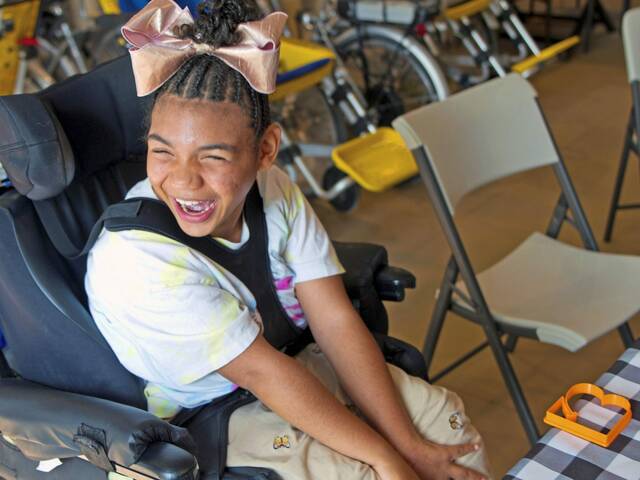
3. Advocacy and Legislation
Advocacy plays a pivotal role in bringing about systemic change. Advocacy groups and organizations dedicated to mental health and disability rights work tirelessly to push for legal protections and equal opportunities. Supporting these efforts can help change the way society perceives and treats individuals with disabilities.
4. Media Representation
The media plays a substantial role in shaping public perception. Promoting positive portrayals of individuals with mental health conditions and disabilities in movies, television shows, and advertising can help counter stereotypes and normalize their experiences.
The Way Forward
Breaking the stigma surrounding mental health and disability is an ongoing process. It requires dedication, understanding, and the recognition that everyone deserves equal opportunities and respect, regardless of their mental health or physical abilities. To learn more about disability, you may visit https://www.barryscouts.org/.
As a society, we must work towards creating an environment where individuals with mental health conditions and disabilities are not defined by their challenges but by their strengths and contributions. By doing so, we can build a more inclusive and compassionate world for all.